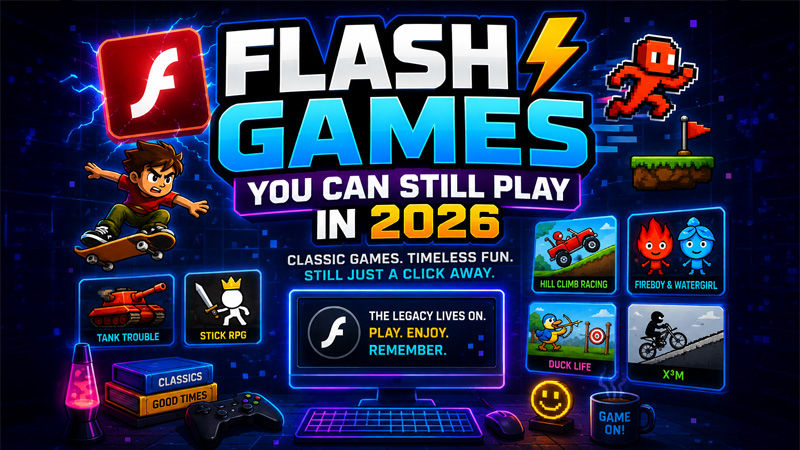
I still remember what a Flash game loading sounded like. The little progress bar, the sponsor logo, the pause before the play button finally appeared. For about fifteen years that was what free gaming looked like for most people, and then on 31 December 2020 Adobe switched Flash off and an enormous amount of it went dark overnight.
Except not all of it. A surprising number of those games are still playable right now, in an ordinary browser tab, on a Chromebook, with nothing installed. This post is about why that is possible and which ones made it through.
Why These Games Still Work
When Adobe ended support, browsers removed the plugin that ran Flash content. The games themselves did not disappear though. The original files still existed, and a project called Ruffle set out to rebuild the Flash runtime from scratch as an open-source emulator that runs on ordinary web technology instead.
That is the whole reason you can still play Papa's Pizzeria in 2026. The game is the same file from 2007. The emulator interprets it in your browser the way the plugin used to. Nothing gets installed, nothing needs a licence, and it works on any machine with a reasonably modern browser - including the locked-down Chromebook you were handed at the start of term.
Everything in this post is a genuine Flash-era title running through emulation. These are not remakes or lookalikes with the serial numbers filed off. They are the same files people were playing on Kongregate and Newgrounds fifteen years ago.
Every game below is free on Classroom Connect. No download, no account, no plugin. If a game takes a few seconds to appear, that is the emulator warming up rather than the page failing.
Papa's: The Entire Restaurant Empire
Flipline Studios made thirteen of these and every one is the same excellent idea with a different menu. Take the order, cook it correctly, build it correctly, serve it before the customer gets annoyed. The trick is in the layering. By day fifteen you are running four stations at once and the rhythm of it becomes genuinely absorbing in a way that no description ever quite conveys.
Pizzeria is where it started and is still the cleanest version of the loop. Freezeria is the one most people actually remember. Wingeria is the hardest to stay on top of once the sauce combinations open up.
The one that started it all. Take orders, top the pizza, watch the oven, slice it right. Deceptively demanding once the queue builds.

Sundaes on a beach island. The most relaxed entry in the series and the one most people played first.
Wings, sauces and sides. The sauce combinations turn this into the toughest station-juggling act of the lot.
Grill, build, serve. The stacking mechanic is where the series first got properly fiddly in a good way.
Breakfast service with a batter timing minigame that punishes anyone trying to rush.
The later entries add stations and customisation without touching the core loop. If you have never played one, start with Freezeria. If you have played them all, Scooperia is the one people tend to have skipped.
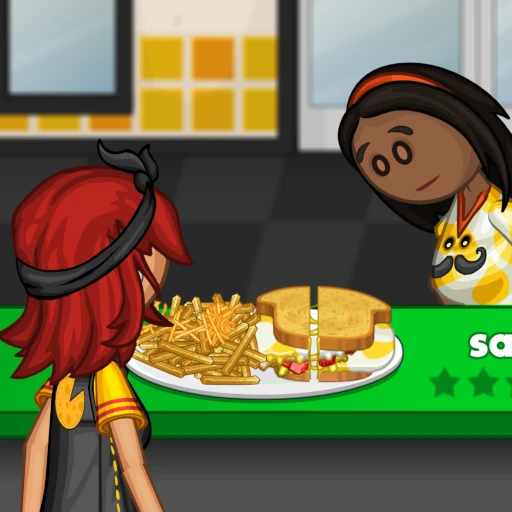
Toasted sandwiches and chips. The grill timing is tighter than it looks on the tin.

Seasonal decorating with an enormous topping list. The most creative entry in the series.
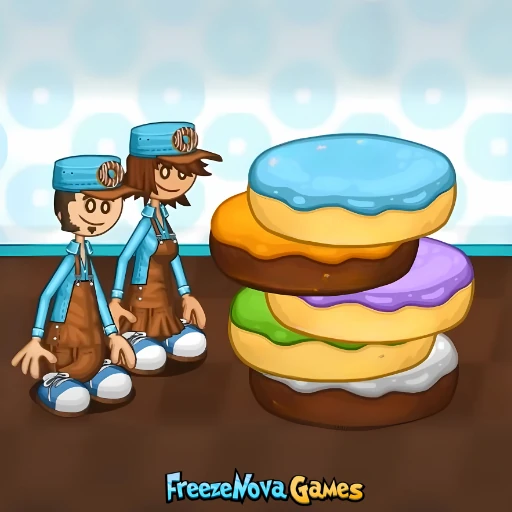
Fry, fill, ice, top. Four stages per order and every one of them scored.

Cookies and ice cream together, which means dough mixing and baking on top of the usual assembly.

Pies, lattice tops and a fussy oven. The most technical build stage in the whole series.

Pasta, sauce, cheese and garlic bread on the side. A proper four-station juggle.
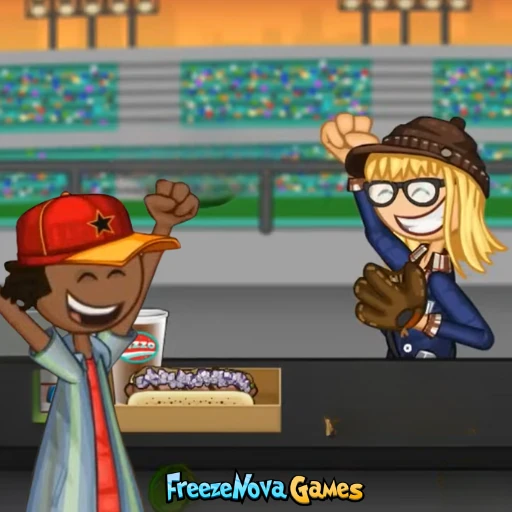
Ballpark service with drinks and popcorn alongside the dogs. Fast and unforgiving at peak.
And before any of the restaurants existed, there was the side-scrolling platformer that introduced Papa Louie in the first place.
.webp)
The platformer where the food fights back. Rescue customers, unlock characters, and it is much better than it has any right to be.
Duck Life, All Five of Them
Duck Life is a training game wearing a racing game as a disguise. You raise a duck, grind its running, swimming and flying stats through simple minigames, and then enter it into races against progressively faster opposition. It should not be as compelling as it is.
Duck Life 4 is the one people search for most and it is the best balanced of the set. The third introduced the evolution mechanic that changed how people played the series. The fifth went furthest with world design. All five are here, and playing them in order takes an afternoon.

The original. Train running, swimming and flying, then race. Simple, quick and where the loop was invented.
More training grounds and a longer race circuit. The first sequel that felt like a proper expansion.

Evolution arrives. Breeding and stat inheritance turn the grind into something closer to a strategy game.
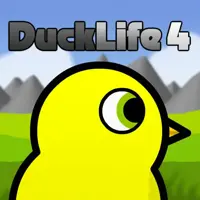
The best-balanced entry and the one most people mean when they say Duck Life. Start here if you only play one.
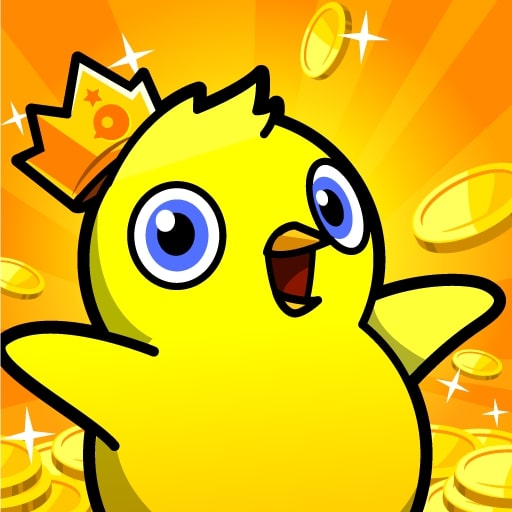
The most ambitious world design in the series, with treasure hunting layered on top of the training.
Tower Defence, Sieges and Tanks
The Flash era produced a strategy subgenre that has almost no equivalent now: short-session tower defence and siege games that ask for twenty minutes and give you a complete arc in return. No live service, no season pass, no daily login. Just a map, some upgrades and an ending.
The original. Dart monkeys, a track and a lot of balloons. Basic by later standards and still perfectly playable.
More towers, more tracks, and the first version where tower placement genuinely mattered.
Upgrade paths and special agents arrive. For a lot of people this is the definitive Flash-era Bloons.

Enormous by Flash standards. Specialty buildings, dual upgrade paths and enough content for weeks.
Bloons Tower Defence is the obvious landmark, and BTD5 in particular still holds up against paid tower defence games. Storm the House is the other pillar of the genre: defend a building, spend between waves, watch the numbers get silly. Awesome Tanks is the one everybody forgets and then remembers with real affection the moment they see the thumbnail.
Click to shoot, buy upgrades between waves, hold the line. The purest version of the wave-defence loop.

More weapons, more enemy types and a much longer upgrade tree than the original.
The most complete entry, with hireable units and a genuine sense of escalation across a run.

Top-down tank combat with destructible walls and a satisfying weapon upgrade path. Criminally underrated.
Bigger levels, more weapons and a proper campaign structure. The better of the pair.
And if what you actually want is a progression grind with a health bar at the end of it, the arena games from this era hold up far better than they have any right to.
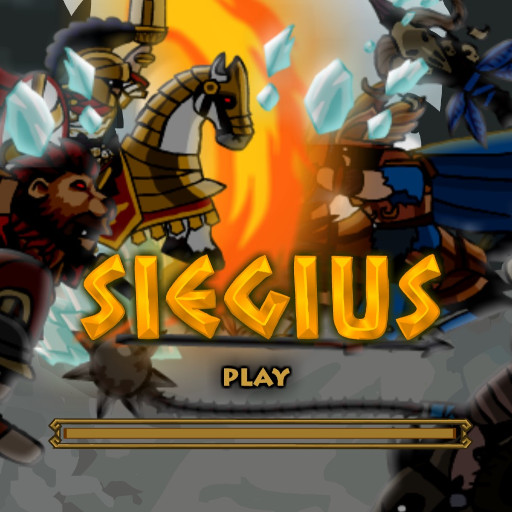
Roman siege combat with unit management and a gladiator arena on the side. Deeper than it first appears.
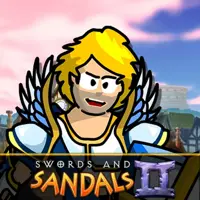
Turn-based gladiator combat with stat allocation and shop trips between fights. A genuine Flash institution.
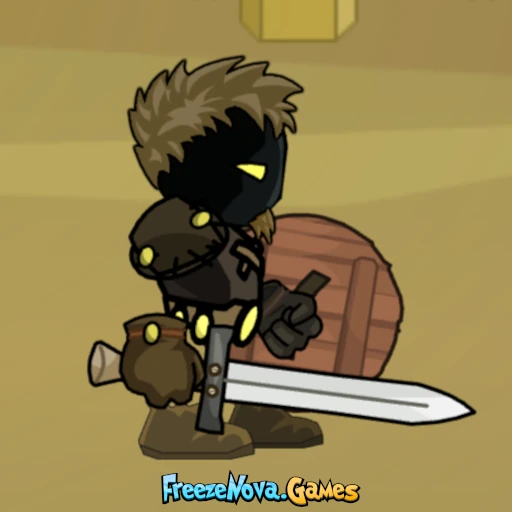
Training minigames feeding into arena battles. One of the best-produced games of the late Flash period.
Launch It and See How Far It Goes
An entire genre existed around one idea: fling something, spend the money on upgrading the fling, fling it again. Learn to Fly is the purest expression of it, and the sequels turned a joke about a penguin into a real optimisation puzzle.

A penguin, a ramp and a grudge. Upgrade the glider, go further, repeat. The blueprint for the whole genre.

Rocket payloads and orbital ambitions. The most mechanically deep entry by a wide margin.
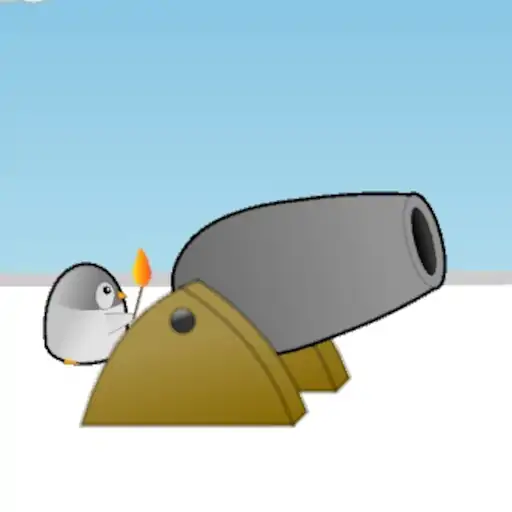
The same premise rebuilt as an incremental. Progress continues while you are doing something else.
Raft Wars is the same instinct pointed at artillery, and the aiming still feels good two decades on. Burrito Bison takes the launching idea and adds a physics ragdoll bouncing off gummy bears, which is exactly as good as it sounds.
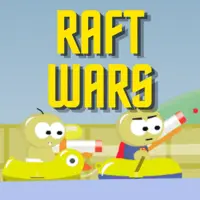
Turn-based artillery with tennis balls and a treasure plot. Angle and power, nothing else, and it is enough.
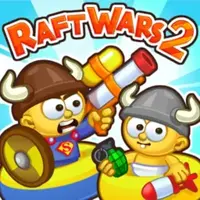
More weapons and trickier shot geometry. The sequel that justified itself.
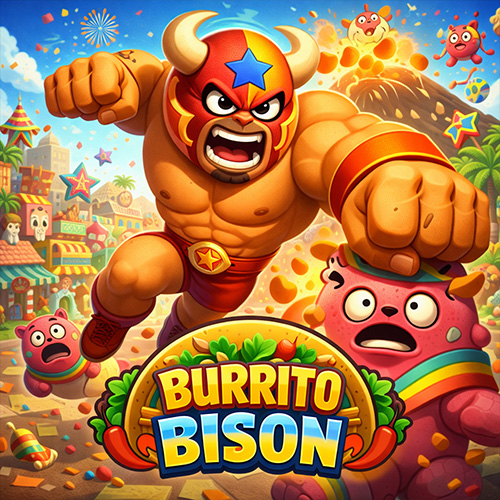
Launch a wrestler through a wall of gummy bears, upgrade, launch further. Absurd and completely addictive.
The Stick Figure Heist
Stealing the Diamond is a choose-your-failure comedy in which almost every option you pick ends in disaster, and finding out how badly is the entire point. It is the reason a whole generation knows exactly what a stick figure heist looks like, and it plays as well now as it did in 2011.
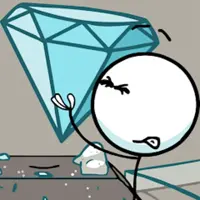
Pick an approach, watch it fail spectacularly, try the next one. Short, funny and endlessly replayable.
If stick figures are your thing more broadly, there is a much longer list of them in our ranked stickman games guide.
The Genuinely Strange Ones
Flash was where people put ideas that no publisher would have funded. Some of the best-remembered games of the era are the ones that are difficult to categorise at all.
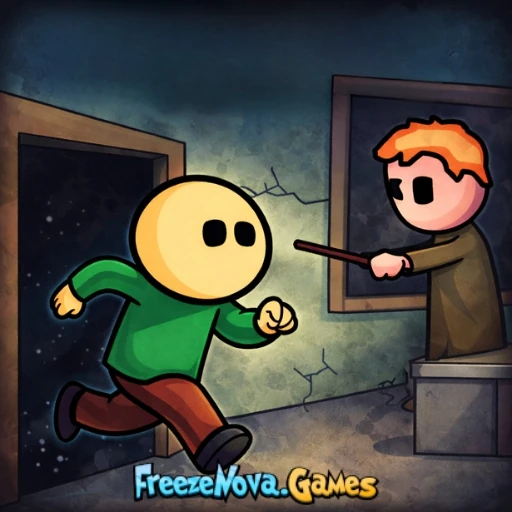
A point-and-click escape from double maths. Short, sharp, and the start of a whole series.
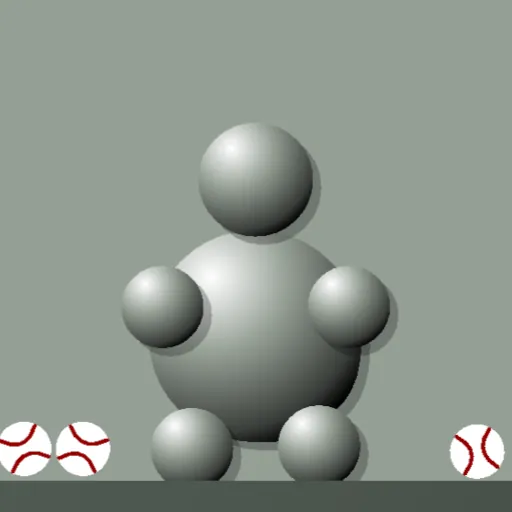
A physics sandbox with no objective at all. Poke the ragdoll, unlock more things to poke it with.
A quiz built entirely from unfair questions and lateral thinking. Deeply frustrating and completely beloved.
Longer, harder and even less fair than the original. Bring a notepad.

Ragdoll physics obstacle courses with a level editor. Chaotic, and a defining game of the era.

Endless running through a rotating tunnel in space. Built in Flash, and still one of the best-feeling browser platformers.
Bookmark this page rather than individual games. Emulated Flash titles occasionally need a refresh to start cleanly, and having the whole list in one place is faster than hunting for a name you half remember.
What Did Not Make It
It is worth being honest about the losses. Games that relied on a server for saves, leaderboards or multiplayer mostly cannot be brought back, because the servers went away years before Flash did. Anything that phoned home to a sponsor's API for progression is now a broken shell even when the file itself survives.
Emulation is also not perfect. Some titles have audio glitches, some have rendering quirks in specific effects, and a few crash outright at particular points. The Flash preservation projects are still improving, so games that do not work today sometimes start working a year later. It is a genuinely ongoing rescue operation rather than a finished one.
Why Any of This Matters
Flash mattered because the barrier to entry was almost nothing. One person with an idea could build a game and put it in front of millions of people without asking permission from a platform holder, paying a licence fee or passing a certification process. That is why the era produced so much that was strange, personal and unpolished in interesting ways.
Browser games still work like that, which is the main reason I keep building this site. The tools have changed and the plugin is gone, but the basic promise has not: click a link, play a game, no download and no account. These particular games are the proof that the promise was worth keeping.
Work your way down the list. There is a decent chance you will find something you had completely forgotten about, and a better chance you will lose an hour to it.