Idle Games
Nineteen idle and clicker games. The genre that asks least of you and somehow holds attention longest, built on numbers that keep going up whether or not you are paying attention.
All 19 games run in a browser tab with nothing to install.











How idle games work
Every idle game runs the same loop. You perform a simple action to earn a currency, you spend that currency on something that performs the action for you, and then you spend the proceeds on something that improves the thing that performs the action. Eventually you are not clicking at all, and the game plays itself while you watch the numbers grow.
The reason this works is that the numbers grow exponentially. Progress that felt impossibly slow twenty minutes ago becomes trivial, and the sense of scale changing underneath you is the actual reward. A good idle game keeps handing you new orders of magnitude.
Where to start
Cookie Clicker is the original and still the most complete. It has hundreds of upgrades, a prestige system that resets your progress in exchange for a permanent multiplier, and a genuinely strange sense of humour that emerges the deeper you get. If you have never played an idle game, start here and give it half an hour before deciding.
Doge Miner and Capybara Clicker are lighter versions with a faster early game, which makes them better if you want the satisfying part without the commitment. Cool Cookie Clicker and Xmas Cookie Clicker are variations on the Cookie Clicker formula.
Clickers and true idlers
There is a real distinction between the two. A clicker wants you to keep clicking and rewards active attention. Spacebar Clicker and Poop Clicker sit firmly here, and they stop being interesting the moment you stop touching them.
A true idler generates progress whether you are there or not, and the interesting decisions happen when you come back. Idle Dev Startup, Dark Forest Idle and Idle Restaurant are the better examples on this page, because they give you something to think about on your return rather than just a bigger number.
Learn to Fly Idle
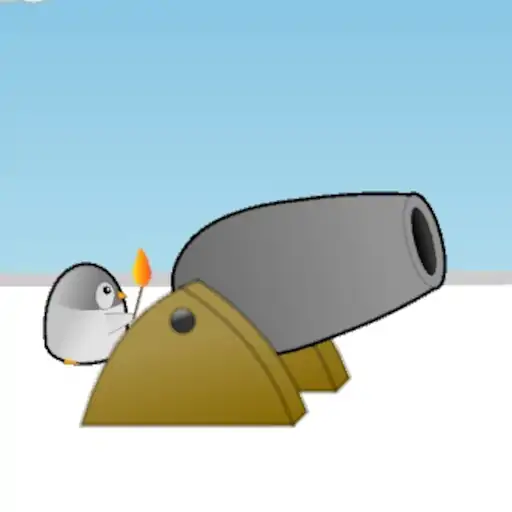
Learn to Fly Idle deserves a separate mention because it takes an existing launch game and rebuilds it around idle mechanics. You still launch a penguin, but the upgrades now accumulate on their own, and the result is a game that keeps the original's structure while removing the repetition. It is the most thoughtful design on this page.
The one decision that matters in most of these games is when to prestige. Resetting your progress for a permanent multiplier always feels wrong the first time, because you are giving up everything you have built. The rule of thumb is to reset once your growth has clearly stalled and the next upgrade would take longer to afford than your entire run has taken so far. Players who never reset get stuck; players who reset too early lose momentum.